Turn an unsuccessful launch into a useful business experiment. Learn how to set a testing budget, measure customer response, and decide whether to improve, change direction, or stop.
A failed launch gives you information. The useful question is whether you can turn that information into a better decision before the next attempt consumes more cash.
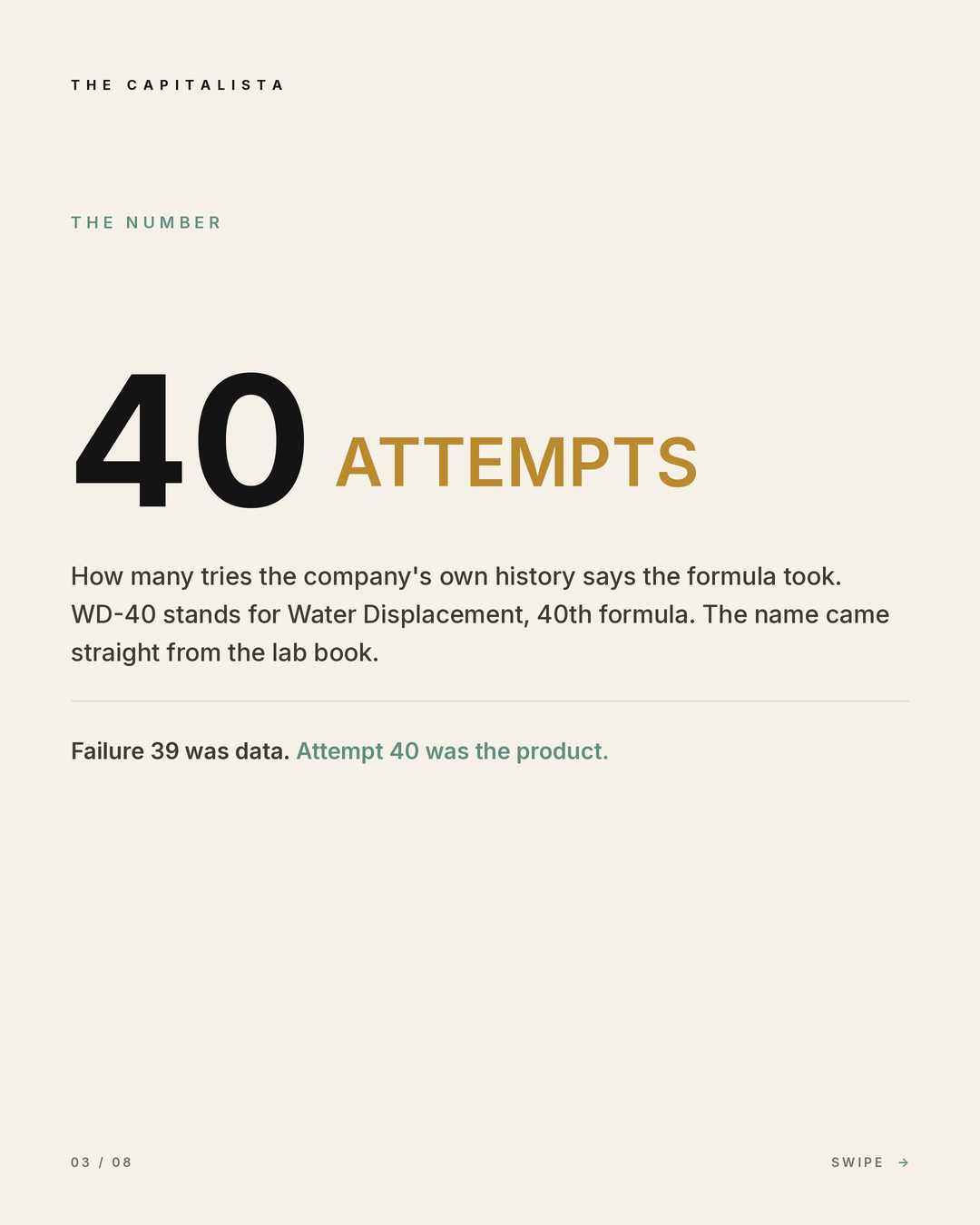
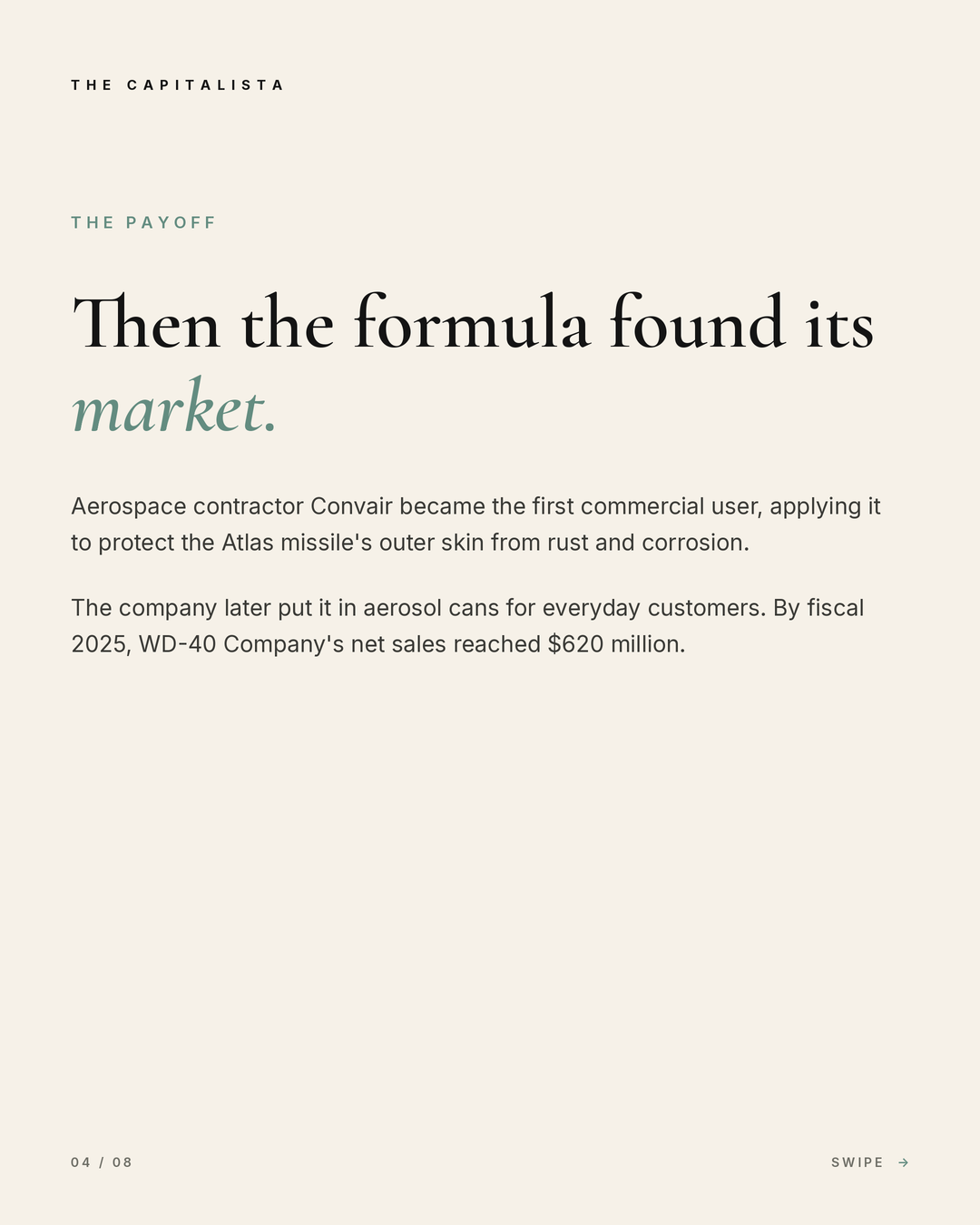
According to WD-40 Company’s history, a three-person San Diego team began developing rust-prevention products for the aerospace industry in 1953. The product name refers to Water Displacement, 40th formula. That history supports a lesson about iteration. It does not mean every idea deserves forty attempts.
Your job as a founder is to separate a testable problem from a project that keeps spending without improving. Set a limit, identify what changed, and make the next decision using evidence.
Define what the launch was supposed to prove
“The launch failed” is too broad to guide action. Did potential buyers ignore the message, decline the offer, abandon checkout, or buy a product that cost too much to deliver? Each result points to a different problem.
Write the original hypothesis in one sentence. For example: ten qualified prospects will buy a fixed-scope service at $1,500 within two weeks. Then compare the result with that specific expectation. A low response rate says something different from strong demand at an unprofitable price.
Measure the cost of learning
Include advertising, contractor work, software, samples, refunds, and the delivery time used by your team. Track cash paid separately from hours committed. An experiment can look inexpensive while absorbing the capacity needed to serve existing customers.
Suppose an illustrative test uses $2,000 in cash and generates three $1,500 sales. If direct delivery costs total $2,700, the contribution before the testing expense is $1,800. The test therefore does not recover its $2,000 cash spend. That result may still provide useful evidence, but revenue alone does not establish success.
Our cash flow timing lesson explains why receipts and commitments need their own calendar.
Change one important variable
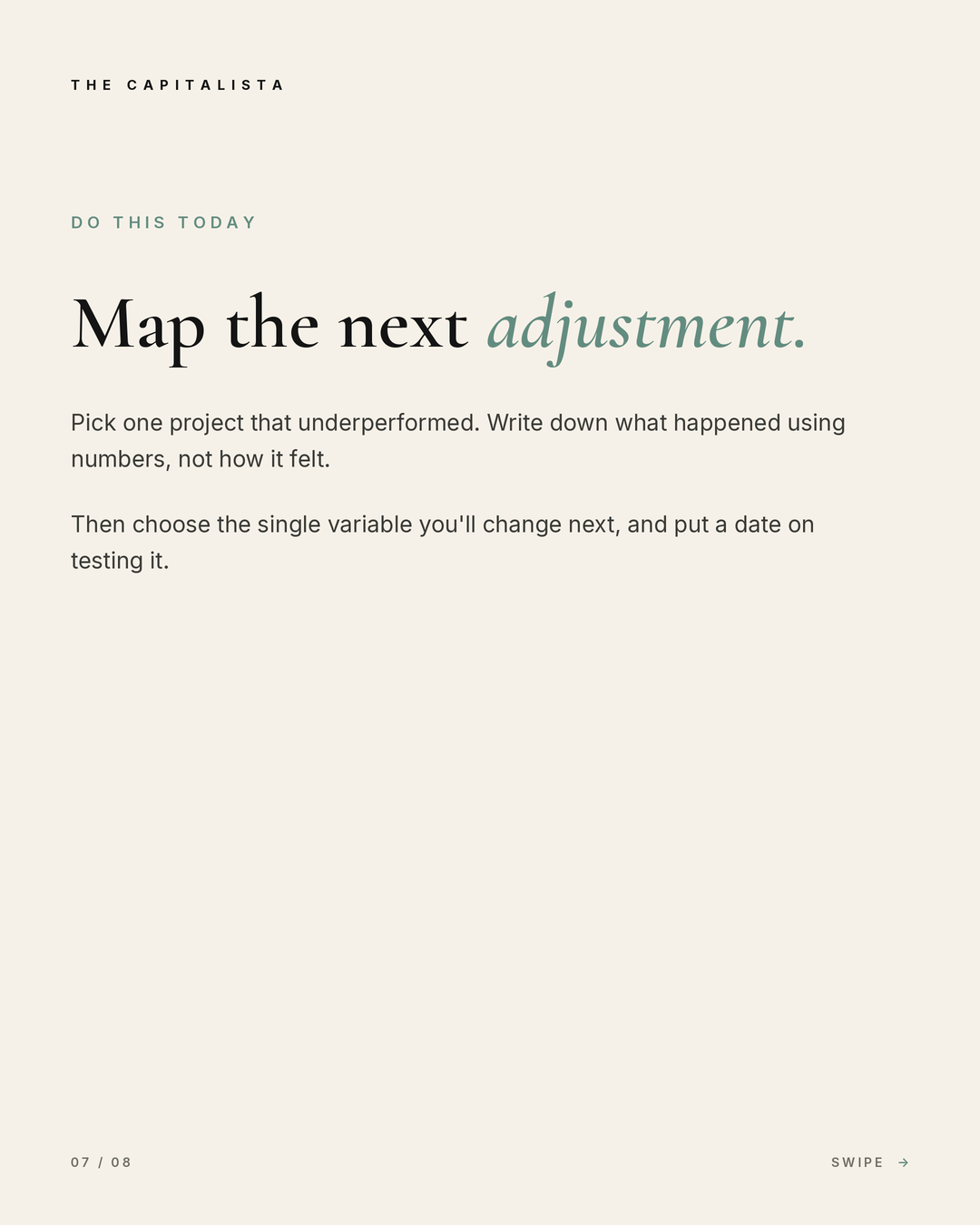
If the next test changes the audience, price, message, and delivery method together, you may get a different result without understanding why. Choose the most plausible constraint and change it deliberately.
- Test the message when qualified buyers do not understand the problem you solve.
- Test the offer when buyers understand the problem but cannot see a clear outcome.
- Review pricing and delivery when customers buy but the contribution is too small.
- Review the buying process when interested prospects repeatedly abandon the same step.
Keep a short experiment log with the hypothesis, audience, spend limit, result, and next decision. Record what customers actually did alongside what they said.
Know what your next test can afford.
Book your CFO strategy call →
Set a stopping rule before you restart
Persistence needs a budget. Decide how much cash and team capacity you can commit while protecting payroll, customer delivery, taxes, and your minimum operating reserve.
Use a decision date and a measurable threshold. You might require a minimum number of qualified conversations before another build, or a positive contribution on a small paid pilot before a larger campaign. Choose thresholds that fit your business. Do not borrow them from another company’s success story.
The Mailchimp cash-flow lesson offers a related framework for separating an investment budget from money already needed by the business.
Decide whether to improve, change direction, or stop
Continue when the evidence improves and the remaining cost fits your forecast. Change direction when the customer problem is real but your approach does not solve it well. Stop when repeated tests fail to produce useful progress or the next attempt would put existing commitments at risk.
Money already spent cannot justify another round by itself. Compare the next test’s expected value with the other uses of that same cash and capacity.
How The Capitalista helps
The Capitalista helps founders connect experiments to cash forecasts, delivery margins, and decision deadlines. Bring the results of your latest launch, the costs attached to it, and your current commitments. A fractional CFO conversation can help you identify what another attempt needs to prove.
Make the next attempt a financial decision.
Plan your next move with The Capitalista →
Frequently asked questions
How many times should I retry a launch?
There is no useful universal number. Retry when you have a clear hypothesis, evidence that informs a change, and an affordable test. Review the decision when those conditions disappear.
Should I count founder time?
Yes. Track it separately from cash so you can see the capacity the experiment consumes and which paid work or operating responsibilities it displaces.
What should I review after each test?
Review qualified demand, conversion, contribution after direct delivery costs, cash used, customer feedback, and the single change proposed for the next test.
The full carousel